PROVEN SOLUTIONS. GUARANTEED RESULTS.


PROVEN TERMITE SOLUTIONS
THE BAY AREA'S LEADER IN TERMITE ELIMINATION
Termite Control & Fumigation in Santa Clara, CA
Protecting Santa Clara Homes from Drywood and Subterranean Termites
Santa Clara’s housing landscape reflects one of the South Bay’s most distinctive histories. Known as “The Mission City,” Santa Clara developed from mission-era settlement and agricultural orchards into a university community, semiconductor hub, and modern Silicon Valley technology corridor.
Neighborhoods near Mission Santa Clara, Santa Clara University, and the Old Quad include some of the city’s older residential areas, where homes may feature original wood details, mature landscaping, detached garages, crawlspaces, and long-established street patterns. Other neighborhoods—including Central Park, Pomeroy, Forest-Pruneridge, and Maywood Park—reflect the city’s mid-century growth.
North Santa Clara and Rivermark represent newer development shaped by nearby technology campuses, Levi’s Stadium, California’s Great America, and major employment centers. This combination of historic homes, mid-century neighborhoods, university-area housing, and newer development creates a wide range of structural conditions where termite activity may occur.
Our licensed and trained inspectors understand the environmental and structural conditions common throughout Santa Clara neighborhoods. With more than 35 years of experience serving Santa Clara County, Proven Termite Solutions provides trusted expertise for homeowners, property managers, and real estate professionals seeking effective termite solutions.
Limited Termite Inspections for Santa Clara Homeowners
A limited termite inspection can help Santa Clara homeowners better understand visible signs of termite activity, areas of concern, and possible treatment options. These inspections are intended for homeowners and property owners who are concerned about termite activity, wood damage, pellets, swarmers, mud tubes, or other visible signs around the property.
During a limited inspection, Proven Termite Solutions evaluates accessible areas for visible termite evidence, damaged wood, termite entry points, and conditions that may support termite activity. The goal is to help determine whether the issue appears to involve drywood termites, subterranean termites, or areas that may require treatment planning. These inspections are limited in scope and are not intended for use as real estate transaction reports.
For Santa Clara homeowners, a limited inspection can provide a clearer path forward.

Licensed to Inspect, Treat and Fumigate Your Property
Rather than handing homeowners off between separate companies, working with Proven Termite Solutions means a more consistent and informed experience throughout the termite treatment process because Proven Termite Solutions is licensed in both:
-
Branch 1 — structural fumigation
-
Branch 3 — termite inspections and termite treatment
For homeowners, this means the same company can inspect the property, recommend treatment options, help coordinate preparation, perform in-house fumigation or treatment work, and complete follow-up inspections afterward.
This becomes especially important during fumigation preparation, where experience and planning can make a significant difference. Because our fumigation team is internal, homeowners have access to guidance from professionals who regularly perform fumigations and understand the preparation challenges that can come with larger homes, remodeled structures, tight access areas, landscaping, or unique rooflines.
For homeowners, this often results in clearer communication, more informed recommendations, and a smoother overall treatment experience.
Buying or Selling a Home in Santa Clara?
During real estate transactions, buyers and sellers typically receive a full termite inspection report through escrow, and termite findings can influence repair negotiations, treatment planning, and closing timelines. Once findings are identified, our team can review the report, perform additional inspection when needed, and provide clear recommendations and treatment quotes to help transactions move forward efficiently.
Fast scheduling available for Santa Clara homeowners and property owners.

Why Homeowners Trust Whole-Structure Fumigation When Drywood Termites are Identified
Drywood termites are one of the primary reasons Santa Clara homeowners may need to fumigate their property. Termites can establish colonies inside attic framing, eaves, fascia boards, wall voids, exposed beams, window trim, garages, roof structures, and other wood components. When activity appears in multiple areas, is hidden in inaccessible wood, or is spread throughout the structure, whole-structure fumigation may be the most reliable way to treat the infestation. Termite fumigation is designed to reach areas that cannot always be accessed with a localized treatment.
Proven Termite Solutions evaluates visible termite activity and property conditions before recommending whether localized treatment, fumigation, or another solution may be appropriate.
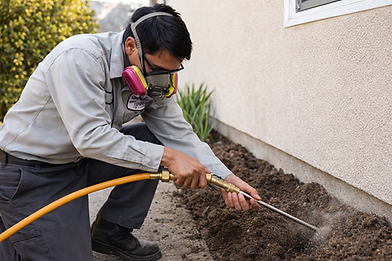
Subterranean Termite Control in Santa Clara
While this page places stronger emphasis on termite fumigation and drywood termite treatment, subterranean termites remain an important concern for Santa Clara properties.
Subterranean termites live in the soil and often enter structures through hidden ground-level access points. These may include foundation cracks, expansion joints, plumbing penetrations, crawlspace areas, slab edges, or locations where moisture and soil conditions allow termites to move toward structural wood.
Santa Clara homes with mature landscaping, irrigated yards, shaded side yards, wood-to-soil contact, or older foundation conditions may be more vulnerable to subterranean termite activity. Signs may include earthen tubes near the foundation, damaged wood close to ground level, or termite activity around exterior structures.
Subterranean termite treatment may involve treating soil around affected areas to help address termite activity at the source and reduce continued entry into the structure. The appropriate treatment recommendation depends on where activity is found, how termites appear to be entering, and what conditions are present around the home.
Why Santa Clara Properties Need Careful Termite Evaluation
Santa Clara’s housing stock includes a mix of older homes, mid-century neighborhoods, Eichler-style properties, townhomes, multifamily housing, and newer development. Each property type can create different termite concerns and with Santa Clara’s mild climate, termite activity can persist throughout the year.
Older homes may include wood siding, porch elements, original framing, exterior trim, detached garages, and crawlspace areas. Mid-century and Eichler-style homes may include exposed beams, low rooflines, fascia, and wood features that require careful evaluation for drywood termite activity. Newer and remodeled homes may include additions, ADUs, updated exterior materials, and transition points where older and newer construction meet.
Mature landscaping also plays a role. Santa Clara neighborhoods often include established trees, irrigated yards, fences, decks, planter areas, and shaded exterior spaces. These features can create conditions where termites remain hidden near the structure or in surrounding wood components.
Because Santa Clara includes both older residential areas and ongoing housing development, termite recommendations should be based on the actual property, not a generic treatment plan. A limited inspection can help identify visible concerns and guide the next step.
Where Termites May Be Found in Santa Clara Homes
Termite activity can develop in different areas depending on the structure, age, and maintenance history of the property. In Santa Clara, homeowners should pay attention to both interior and exterior wood components.
Attic Framing, Rooflines, and Eaves
Drywood termites are often found in upper structural areas where wood remains undisturbed. Attic framing, rafters, fascia boards, eaves, roof edges, and exposed beams can provide hidden locations for drywood termite activity. These areas may not show obvious signs until pellets, small holes, damaged wood, or swarmers appear.
Garages, Trim, and Exterior Wood
Attached garages, detached garages, window trim, door frames, fascia, siding, and exterior decorative wood can be vulnerable to drywood termite activity. In older Santa Clara homes, these features may have aged over time, creating openings where termites can enter and remain concealed.
Slab Edges, Foundation Areas, and Ground-Level Openings
Subterranean termites may enter from soil near the structure. Slab edges, expansion joints, plumbing penetrations, crawlspace access points, and areas near irrigated landscaping may provide concealed pathways into the home.
Decks, Fences, Planters, and Yard Structures
Exterior wood features can sometimes show termite activity before the main structure does. Decks, fences, planter boxes, pergolas, retaining boards, and detached structures may be exposed to moisture, soil contact, or aging materials that allow termites to establish activity nearby.
Remodels, ADUs, and Construction Transitions
Santa Clara homeowners often remodel, expand, or update existing homes. Additions, ADUs, garage conversions, and major renovations can expose hidden termite damage behind walls, beneath flooring, around old framing, or where new construction connects to older structural components.
Warning Signs Santa Clara Homeowners Should Watch For
Termite activity is often hidden until visible evidence appears. Santa Clara homeowners should pay attention to signs around attic areas, windows, exterior trim, garages, foundations, and surrounding wood features.
Drywood Termite Pellets
Small pellet-like droppings may appear beneath window frames, baseboards, attic access points, eaves, garage framing, or exposed wood. These pellets may indicate drywood termite activity inside the wood.
Swarmers or Discarded Wings
Termite swarmers may appear near windows, doors, skylights, garage openings, or light sources. Small piles of discarded wings may indicate that termites are active nearby or have entered the structure.
Small Holes or Damaged Wood
Drywood termites may create small openings in wood surfaces. Damaged wood may appear blistered, weakened, uneven, or hollow-sounding. These signs may appear around trim, eaves, decks, garage framing, or exterior wood details.
Earthen Tubes Near Foundations
Subterranean termites may build earthen tubes along foundation walls, crawlspace supports, slab edges, or shaded areas near landscaping. These tubes allow termites to travel between soil and wood while staying protected.
Exterior Wood Activity Near the Home
Fences, decks, planter boxes, pergolas, porch posts, and detached garages can show termite activity before signs appear inside the home. If termite evidence is found close to the structure, the home should also be evaluated.
If you notice termite pellets, swarmers, mud tubes, damaged wood, or other signs of termite activity in your Santa Clara home, Proven Termite Solutions can provide a limited termite inspection and recommend an appropriate treatment option.
Neighborhoods We Serve in Santa Clara
Proven Termite Solutions provides limited termite inspections, termite fumigation, termite control, localized termite treatment, and subterranean termite treatment throughout Santa Clara, including The Old Quad, Santa Clara University area, Pomeroy, Pomeroy Green, Pomeroy West, Central Park, Forest-Pruneridge, Maywood Park, Rivermark, North Santa Clara, Agnew, Lawrence Station, and surrounding communities.